Nigeria’s Oil Output Boost Plan Faces $6bn Funding Gap, Threatening Supply To Dangote Refinery
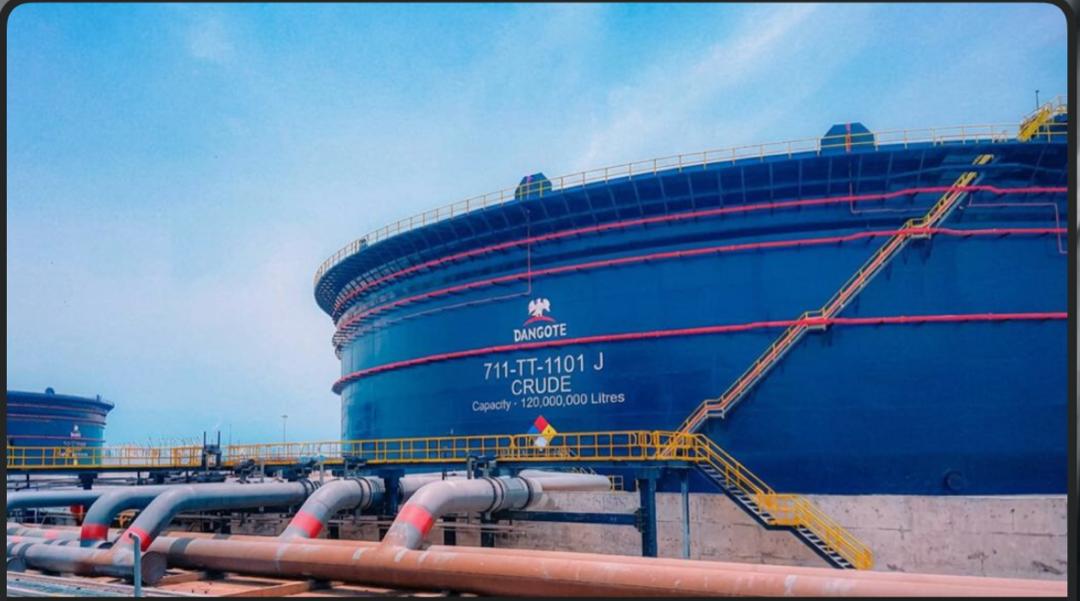
Nigeria’s Oil Output Boost Plan Faces $6bn Funding Gap, Threatening Supply to Dangote Refinery Nigeria’s ambitious plan to ramp up crude oil production by reactivating idle oil wells is facing a $6 billion capital expenditure (capex) shortfall, raising concerns over delayed output gains and potential supply constraints to the Dangote Refinery and domestic market
The Federal Government’s strategy to increase oil output largely anchored on bringing dormant wells back into production has hit a major financial hurdle, with industry estimates indicating a funding gap of about $6 billion.
Stakeholders warn that without urgent investment, Nigeria may struggle to meet its production targets, undermining efforts to:
- Boost crude output
- Increase foreign exchange earnings
- Strengthen energy security
The delay could further prolong Nigeria’s inability to maximize its OPEC quota and fully leverage existing reserves Industry experts note that reviving idle wells is considered one of the fastest ways to scale production. However, the process requires:
- Well re-entry and rehabilitation
- Upgrading infrastructure
- Deployment of enhanced recovery technologies
These activities demand substantial upfront capital, which operators are currently unable to secure at scale.
The funding shortfall is also expected to affect crude supply to the Dangote Refinery, Africa’s largest refining facility located in Lekki. The refinery owned by the Dangote Group has a capacity of about 650,000 barrels per day, making it heavily dependent on steady crude feedstock supply.
- Force increased reliance on imported crude
- Raise operational costs
- Affect fuel availability and pricing in Nigeria
This comes at a time when the refinery is central to Nigeria’s plan to reduce fuel imports and become a net exporter of refined petroleum products.
The delay in boosting upstream production may create ripple effects across the energy value chain:
- Refining constraints: Insufficient crude supply limits refinery throughput
- Market instability: Potential fuel shortages or price volatility
- Revenue pressure: Lower oil output reduces government earnings
Recent industry developments already show how critical supply stability is, as the Dangote Refinery scales operations and expands exports across Africa.
Energy analysts emphasize the need for:
- Increased investment from international oil companies (IOCs)
- Improved fiscal incentives
- Faster regulatory approvals
They argue that without addressing funding and policy bottlenecks, Nigeria risks missing a key opportunity to capitalize on global oil demand and strengthen its energy independence. While the government remains committed to raising production levels, the $6 billion funding gap poses a significant threat to timelines and expected gains. Unless financing is secured quickly, Nigeria’s oil output recovery could remain sluggish potentially undermining both domestic refining ambitions and broader economic goals.