SERAP Urges Senate President Akpabio To Name NNPC Officials In ₦200 trillion Probe
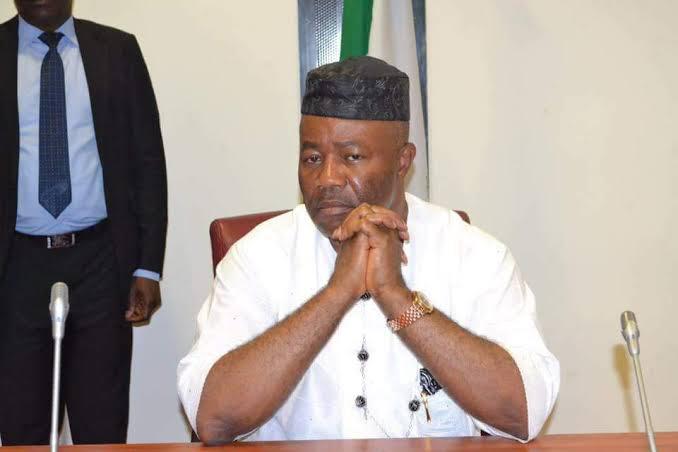
SERAP urges Senate President Akpabio to name NNPC officials in ₦200 trillion probe The Socio‑Economic Rights and Accountability Project (SERAP) has called on Godswill Akpabio to compel full disclosure of officials allegedly linked to a ₦200 trillion scandal involving the Nigerian National Petroleum Company Limited (NNPCL), intensifying pressure on the legislature to ensure transparency SERAP, a prominent civil society organisation, wrote to the Senate President urging him to instruct the Senate’s Public Accounts Committee to publicly disclose the names and positions of all officials allegedly implicated in the alleged missing funds from NNPCL accounts between 2017 and 2023 regardless of their political influence or status. The group also wants comprehensive publication of audit reports, financial records, official communications and the timeline for when those implicated will appear before the committee and when the probe is expected to conclude. SERAP stressed that making these materials available to the Nigerian public is essential for independent scrutiny and accountability. The Senate’s Public Accounts Committee has been reviewing discrepancies in NNPCL’s financial records and unreconciled figures, but the process has faced criticism due to delays and failures by some summoned officials to appear or provide satisfactory explanations for the alleged shortfalls.
SERAP said the magnitude of the alleged missing funds one of the largest sums ever scrutinised in Nigeria’s oil sector underscores the need for complete openness and urgency in the probe, warning that continued secrecy could fuel public mistrust and suspicions of political interference. In its letter, dated 21 March 2026, SERAP emphasised that transparency would help build confidence that the investigation is impartial and not influenced by political considerations. It urged the committee to disseminate proceedings, including minutes, submissions and evidence presented, so Nigerian citizens and oversight institutions can assess developments objectively.
The organisation also set a seven‑day timeline for the Senate to act on its recommendations and hinted that failure to comply could lead to legal action aimed at compelling disclosure in the public interest. The NNPCL Nigeria’s state‑owned oil company is a central institution in the country’s economy, responsible for oil revenue management and key to national finances. Audits and parliamentary reviews have raised questions over large discrepancies in its accounts, prompting the probe by lawmakers.
Previous calls by civil society groups for transparency in NNPCL operations have highlighted concerns over opaque financial practices, unreconciled transactions, and the absence of accountability for senior officials, concerns that have eroded public confidence in the management of Nigeria’s oil wealth.
The request adds pressure on the Nigerian Senate, which is led by Akpabio and tasked with oversight of public finances and governance. Opposition and civil society observers argue that revealing the identities of officials connected to such large sums is crucial to strengthening good governance and fighting corruption. With Nigeria’s economy heavily dependent on oil revenues, how the NNPCL accounts are managed and audited remains a subject of intense public debate, and the outcome of this probe could have wide‑ranging implications for political accountability and investor confidence.