GULF STATES CAUGHT BETWEEN U.S. ALLIANCE AND IRANIAN THREAT AMID WAR
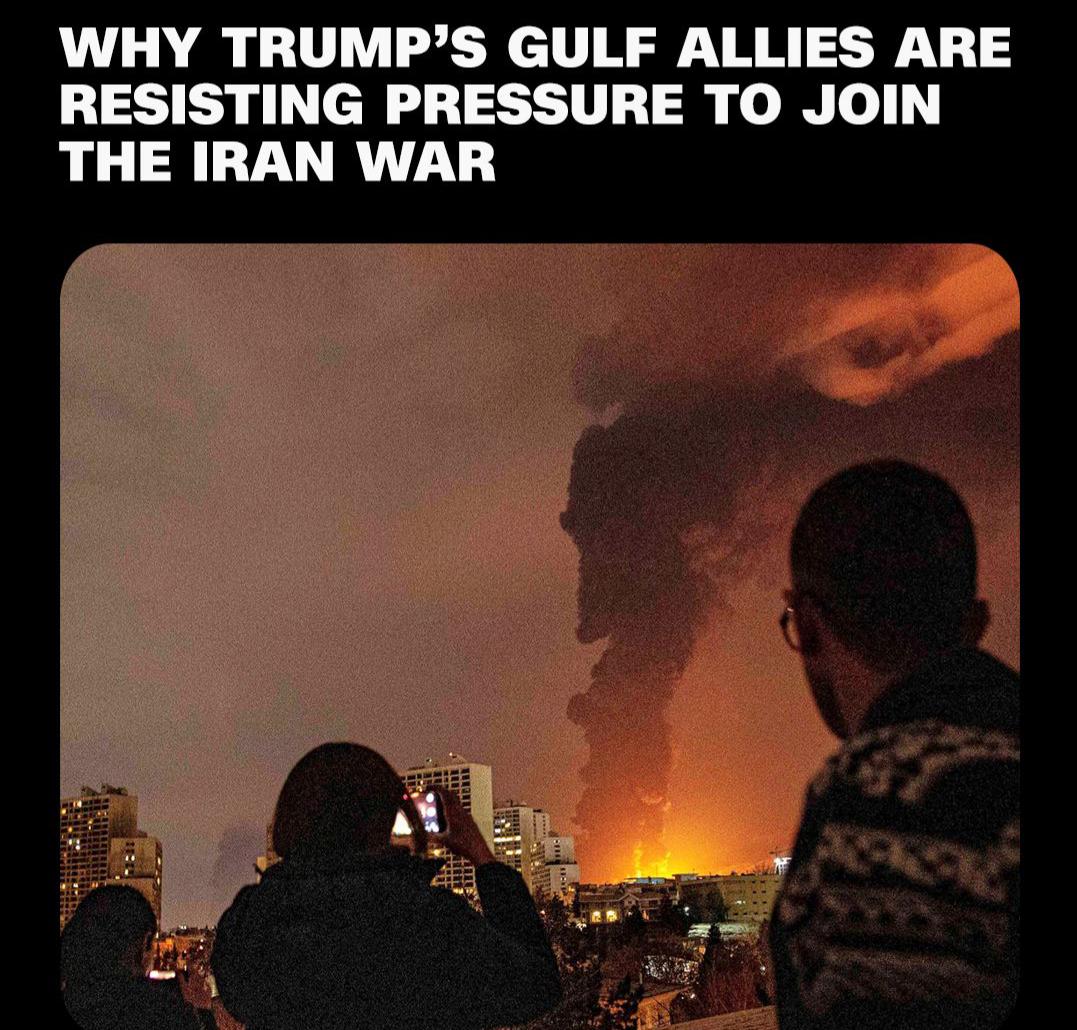
GULF STATES CAUGHT BETWEEN U.S. ALLIANCE AND IRANIAN THREAT AMID WAR Since the Iran war began in late February, the six Gulf Cooperation Council (GCC) states have been subjected to relentless waves of Iranian missile and drone attacks, thrusting them into a precarious geopolitical predicament. Leaders in Riyadh, Abu Dhabi, Kuwait, Manama, Doha, and Muscat now face an unenviable choice: either align more closely with their closest security partner the United States—or risk prolonged hostility with Iran, a powerful neighbour they will continue to share the region with long after the conflict ends. Gulf officials report that Iran has directed a significant portion of its military barrage not only at Israel and U.S. forces but also at Gulf Arab states, many of which host American military bases and sophisticated Western defence systems. In multiple countries, projectiles have targeted airports, oil infrastructure, and urban centres—forcing air‑defence forces into near‑continuous interception operations. Although precise figures vary by country, regional defence ministries and independent tallies indicate that thousands of Iranian drones and missiles have been launched into Gulf airspace since the outbreak of hostilities—many intercepted, though some debris and blast effects have caused injuries and damage. The central strategic fault line for Gulf leaders lies in balancing their longstanding security partnership with Washington against the realities of living alongside Iran, a neighbour with historical, economic, and sectarian ties to many states in the region.
Iran’s continued targeting of Gulf infrastructure is widely interpreted as a tactic to drive a wedge between the Gulf states and the United States, weakening Arab support for U.S. and Israeli military objectives. Tehran appears to calculate that by inflicting ongoing damage and instability, Gulf governments will be pressured domestically to distance themselves from Washington’s campaign. At the same time, U.S. voices from the White House to congressional allies have been urging Gulf partners to take a more active role in the conflict. Some American lawmakers have suggested that U.S. support could be contingent on greater Arab military participation, amplifying Gulf concerns about entanglement. Across the Gulf, leaders have publicly rejected calls to enter the conflict on the offensive. Senior officials echo a consistent message that while they will defend their countries if attacked, they have no appetite for joining a broader war against Iran, which could expose them to deeper economic fallout and domestic instability.
Behind closed doors, Gulf policymakers also weigh long‑term regional imperatives:
- Economic exposure Iran’s missile and drone strikes have disrupted critical commercial infrastructure, rattled energy markets, and dented investor confidence in Gulf financial hubs.
- Security autonomy With the possibility that U.S. forces will eventually reduce their footprint in the Middle East as seen in past conflicts Gulf states are debating how to strengthen indigenous defence capabilities and diversify strategic partnerships.
- Future coexistence with Tehran Even if hostilities cease, the GCC members will share maritime borders and trading links with Iran. That has led some regional analysts to argue that preserving a diplomatically manageable relationship with Tehran remains vital for long‑term stability.
The ongoing conflict has exposed serious fractures in regional security architectures. Gulf states once seen as steadfast U.S. allies now find themselves defensive actors in a war not of their choosing. Their leaders are confronting a complex calculus that goes beyond immediate battlefield outcomes to include the future shape of Middle East geopolitics, the durability of American commitments, and the ever‑present necessity of living beside a powerful neighbour..