Trump Says US Must Help Choose Iran’s Next Leader Amid Escalating Conflict
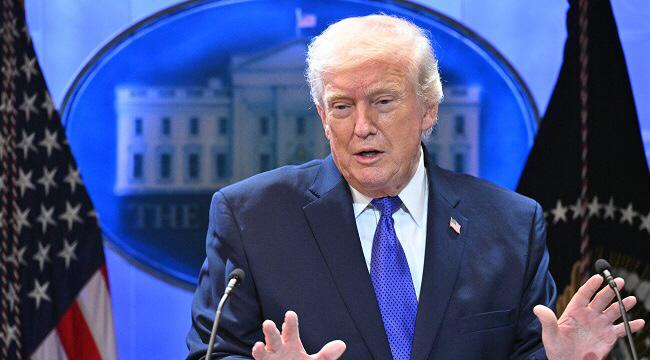
Trump says US must help choose Iran’s next leader amid escalating conflictU.S. President Donald Trump has said the United States must play a role in selecting Iran’s next supreme leader following the death of Supreme Leader Ayatollah Ali Khamenei in the ongoing Middle East conflict.
In an interview with Axios, Trump said he wants to be “involved in the appointment” of Iran’s next leader, rejecting the likely succession of Khamenei’s son Mojtaba Khamenei and comparing the process to his influence in selecting leadership in Venezuela.Trump told the news organisation that he views Mojtaba Khamenei widely considered a frontrunner to succeed his father as “unacceptable” and described the choice of Iran’s next supreme leader as a matter the United States should participate in. He said the U.S. wants a leader “that will bring harmony and peace to Iran.” The president drew parallels with Venezuela’s recent leadership transition, saying: “I have to be involved in the appointment, like with Delcy [Rodríguez] in Venezuela.” Rodríguez became interim president of Venezuela earlier this year after Trump‑ordered U.S. forces removed former President Nicolás Maduro. Although it remains unclear how the U.S. could influence a decision traditionally made by Iran’s Assembly of Experts a body of senior Shiite clerics analysts say Trump’s remarks imply a willingness to work with a potential successor from within Iran’s existing power structures rather than pursuing outright regime change. This echoes broader shifts in the U.S. stance during the conflict, which began with a U.S.–Israeli military campaign against Iranian targets and has since drawn regional retaliation and growing international concern. The death of Ayatollah Ali Khamenei Iran’s supreme leader since 1989 has created a rare succession moment in Tehran’s political hierarchy amid intense military conflict involving Israel and U.S. forces. Iranian authorities have not yet officially named a successor, leaving a leadership vacuum in the Islamic Republic’s theocratic system. Trump’s comments come as U.S. and allied strikes continue against Iranian infrastructure and as tensions in the Middle East escalate, raising fears of wider instability and calls for international diplomatic intervention. Experts say the U.S. president’s suggestion could complicate already fraught diplomatic relations. Iran’s leadership selection is a deeply internal religious and political process, and foreign involvement could be seen as interference. However, Trump’s remarks also signal a potential shift toward trying to shape outcomes in Tehran through strategic engagement rather than direct regime overthrow. The situation remains fluid, with analysts closely monitoring both the leadership succession in Iran and the broader geopolitical ramifications of the ongoing conflict.