South Africa’s Victory Dance Deepens Super Falcons’ World Cup Heartbreak
South Africa’s Victory Dance Deepens Super Falcons’ World Cup Heartbreak Nigeria’s Super Falcons suffered a devastating end to their 2026 Women’s Africa Cup of Nations campaign, losing 2–1 to South Africa in a decisive World Cup qualification play-off.
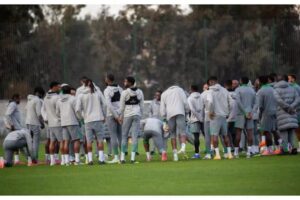
But for many Nigerian supporters, the most painful image of the night came after the final whistle when Banyana Banyana celebrated with their trademark dancing and singing on the pitch.
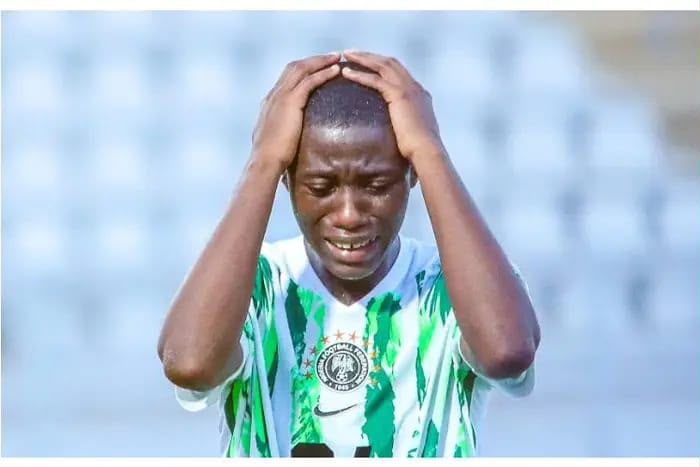
The celebration was not intended as an insult to Nigeria, but its timing made it particularly difficult for Super Falcons supporters to watch. While the South African players celebrated keeping their 2027 FIFA Women’s World Cup hopes alive, Nigeria’s players stood dejected after suffering a historic elimination. South Africa’s players broke into their familiar post-match dance after securing the 2–1 victory.
For Nigerian viewers, however, the scenes represented more than an ordinary football celebration. They came immediately after Nigeria’s hopes of reaching another Women’s World Cup had been extinguished. The Super Falcons had been present at every Women’s World Cup since the inaugural tournament in 1991. That remarkable streak has now come to an end. The match was goalless at half-time, but South Africa took control after the break. Thembi Kgatlana opened the scoring in the 56th minute before captain Refiloe Jane doubled Banyana Banyana’s advantage in the 77th minute.
Nigeria eventually pulled one goal back through Christy Ucheibe, who converted a late penalty, but the Super Falcons could not find an equaliser. The result sent South Africa into the intercontinental World Cup play-off tournament, while Nigeria were eliminated Nigeria arrived at the tournament as the reigning African champions and holders of a record 10 WAFCON titles. Their campaign, however, unravelled at a crucial stage. They were knocked out by Cameroon in the quarter-finals, meaning the play-off against South Africa became their final route to the 2027 World Cup.
That opportunity was lost in Casablanca.
The defeat has triggered soul-searching within the Nigerian camp. Captain Rasheedat Ajibade admitted that the team had important lessons to learn, while head coach Justine Madugu apologised to Nigerians and accepted responsibility for the failure to qualify.
South Africa’s dancing was ultimately a celebration of their own achievement rather than an intentional attempt to mock Nigeria.
But football is often about moments as much as results, and the contrast was brutal: South Africa dancing in celebration while Nigeria contemplated an unprecedented World Cup absence.
For the Super Falcons, the focus now turns to rebuilding after one of the most disappointing chapters in the team’s history.