LAGOS HALTS MAKOKO DEMOLITIONS, CITES SAFETY
by HEDNEWS on February 4, 2026
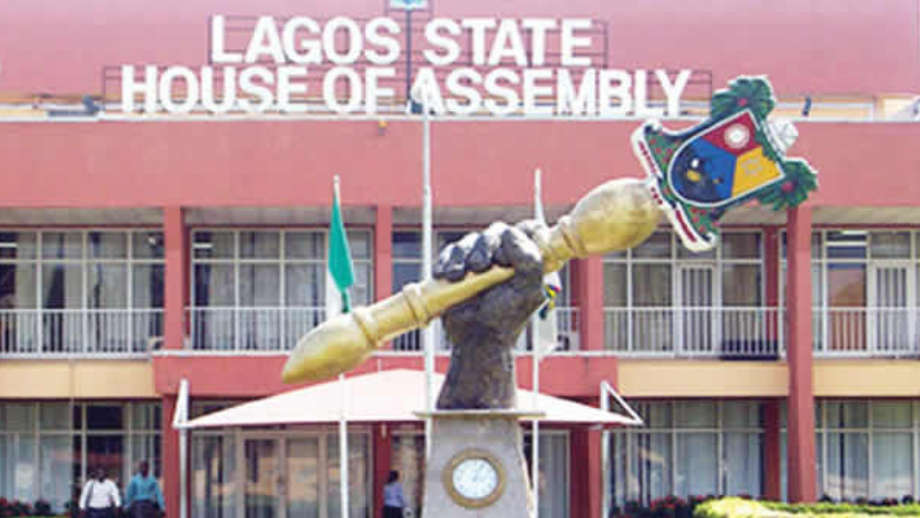
LAGOS HALTS MAKOKO DEMOLITIONS, CITES SAFETY, ENVIRONMENTAL, AND REDEVELOPMENT PLANS
Lagos State House of Assembly orders immediate stop to demolitions in Makoko and adjacent waterfront communities, pledges compensation and sustainable redevelopment amid public outcry and safety concerns.
- Assembly Orders Suspension of Demolitions
The Lagos State House of Assembly resolved on Tuesday to halt all demolition operations in Makoko, Oko-Agbon and Shogunro waterfront communities with immediate effect, directing all relevant ministries and agencies to stop work “until further notice.” The resolution came after a stakeholders’ meeting with residents affected by the demolition exercise. - Community Engagement and Taskforce Inclusion
Assembly members said they will conduct spot assessments in the affected communities and facilitate the establishment of a Taskforce Committee that includes community representatives to work with the government on rehabilitation and planning. Residents present at the meeting reportedly welcomed the intervention. - Compensation Promised for Affected Residents
Lawmakers assured that individuals whose homes and properties have already been demolished will be compensated, addressing a major demand from displaced residents. This reversal follows weeks of protests and mounting tensions over forced evictions. - Government’s Stated Reasons and Policy Context
Officials from the Lagos State Government have consistently maintained that the demolition operations were carried out as part of a safety and environmental policy, citing risks posed by structures built beneath high-tension power lines and in unsafe conditions. The government has emphasized the need to protect lives and property and align urban development with international standards. - Redevelopment Plans and Funding
The state government reiterated its commitment to a redevelopment initiative for Makoko, including a “water city” project aiming to transform the waterfront into a safer, habitable area with improved infrastructure. Lagos has reportedly earmarked $2 million as part of this urban regeneration plan, alongside ongoing engagement with development partners.
The Assembly’s action comes amid heightened opposition from residents, activists, civil society groups, and human rights lawyers who have condemned the demolition as inhumane or unlawful and disruptive to livelihoods. Demonstrations at the Lagos State House of Assembly earlier included protests by displaced residents and calls for a suspension of the exercise.
Recent reporting indicates that thousands of residents have been displaced since the demolition campaign began in late December 2025, with families forced to evacuate homes and possessions, often by boat due to Makoko’s unique waterfront geography.
Lagos State officials, including the Special Adviser on e-GIS and Urban Development, highlighted the demolition’s basis in safety, noting that many structures posed risks of fire, inadequate sanitation, and hazards related to their proximity to high-tension electrical infrastructure.
The immediate halt reflects legislative oversight responding to public outcry and legal concerns surrounding forced evictions and due process in urban regeneration. Lawmakers emphasized the need for inclusive planning, compensation, and accountability.
The formation of a committee that includes local community voices marks a move toward participatory redevelopment planning, addressing criticisms that previous demolition actions lacked adequate consultation and transparent criteria.
Lagos State’s commitment to a redevelopment plan that balances safety, environmental sustainability, and residents’ rights signals a potential shift from demolition alone toward more integrated urban renewal approaches.