Pinnick Backs FIFA Plan To Sell Stake In World Cup Commercial Venture
Pinnick backs FIFA plan to sell stake in World Cup commercial venture
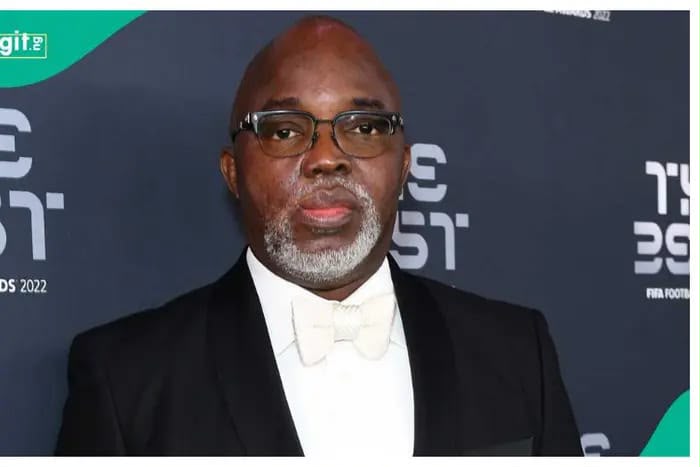
Former Nigeria Football Federation NFF president Amaju Pinnick has backed FIFA’s controversial plan to sell a stake in the commercial future of the World Cup, arguing that the move could create new opportunities for global football development. Pinnick, who is also a former member of the FIFA Council, said the proposed investment strategy should be viewed as a way of expanding football’s financial strength rather than “selling” the game. His support comes as FIFA faces opposition from some football confederations, including UEFA, CONCACAF and sections of the Asian football community, over concerns about governance, transparency and the possible influence of private investors on the world’s biggest football tournament. FIFA President Gianni Infantino has defended the proposal, rejecting criticism that the organisation is attempting to commercialise football excessively. He said initiatives such as the FIFA Forward Enterprise plan are designed to generate additional revenue that can be reinvested into football infrastructure, grassroots programmes and development projects worldwide.
Pinnick argued that football must continue to evolve commercially to remain competitive in a changing global economy. He said strategic investment could provide more resources for national associations and help improve facilities and opportunities, particularly in developing football regions. The former NFF president noted that African football could benefit from increased investment if funds are channelled into areas such as youth development, coaching, infrastructure and administration. However, critics of the FIFA proposal have warned that allowing external investors to gain stakes linked to major competitions could alter the traditional structure of football governance and reduce the influence of football stakeholders. The debate has created one of the biggest disagreements between FIFA and several continental confederations in recent years, with discussions expected to continue as football leaders consider the future of the World Cup’s commercial model.