2027 Rhodes-Vivour, Obi Political Pathways Diverge As ADC Internal Crises Trigger Realignments
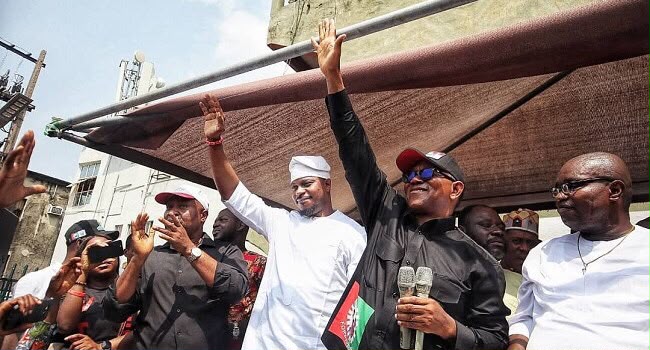
2027 Rhodes-Vivour, Obi Political Pathways Diverge as ADC Internal Crises Trigger Realignments Former Labour Party governorship candidate in Lagos State, Gbadebo Rhodes-Vivour, has reflected on the evolving political landscape ahead of the 2027 general elections, following the breakdown of his political alignment with Peter Obi and internal disputes within the African Democratic Congress ADC that reshaped opposition realignments. Rhodes-Vivour and Obi had both contested the 2023 elections on the platform of the Labour Party, riding on the strength of the Obidient movement, which played a major role in the party’s strong performance in both the presidential election and the Lagos governorship race. The 2023 elections marked a significant political shift, with the Obidient movement energising youth participation and boosting the Labour Party’s visibility across Nigeria. In Lagos State, Rhodes-Vivour emerged as the Labour Party governorship candidate, while Obi led the party’s presidential campaign, both benefiting from unprecedented grassroots mobilisation. Political analysts widely credited the movement for reshaping voter engagement patterns, particularly among urban and first-time voters. Following the elections, both politicians later aligned with the African Democratic Congress ADC, with expectations that the coalition would serve as a stronger opposition platform ahead of the 2027 elections. The move was seen as part of broader efforts to consolidate opposition forces and build a unified front capable of challenging the ruling political establishment. However, internal disagreements and rising litigation within the ADC soon disrupted the alliance structure, triggering uncertainty within the party. The ADC became embroiled in leadership disputes and legal battles, with multiple factions laying claim to party control and direction. The escalating tensions ultimately led to a political split, with Peter Obi exiting the ADC and joining the Nigeria Democratic Congress NDC, while Rhodes-Vivour opted to remain within the party structure. The developments have effectively reshaped opposition dynamics ahead of the 2027 elections, particularly within the Lagos political space.
With the political separation now formalised, Rhodes-Vivour has indicated that his 2027 strategy will not rely on the “Obi effect,” suggesting a more independent campaign structure focused on grassroots engagement and local political dynamics in Lagos State. Analysts say his position reflects a broader recalibration of opposition politics in Lagos, where coalition strength and personality-driven movements have previously played a decisive role. The breakdown of the Obi–Rhodes-Vivour alignment underscores ongoing volatility within Nigeria’s opposition landscape as parties reposition ahead of 2027. Political observers note that shifting alliances, legal disputes, and emerging platforms like the NDC and ADC could significantly influence voter alignment and campaign strategies in the coming election cycle.