18-year-old Wheelchair User Escorted Out Of Manchester Nightclub Over “fire Safety
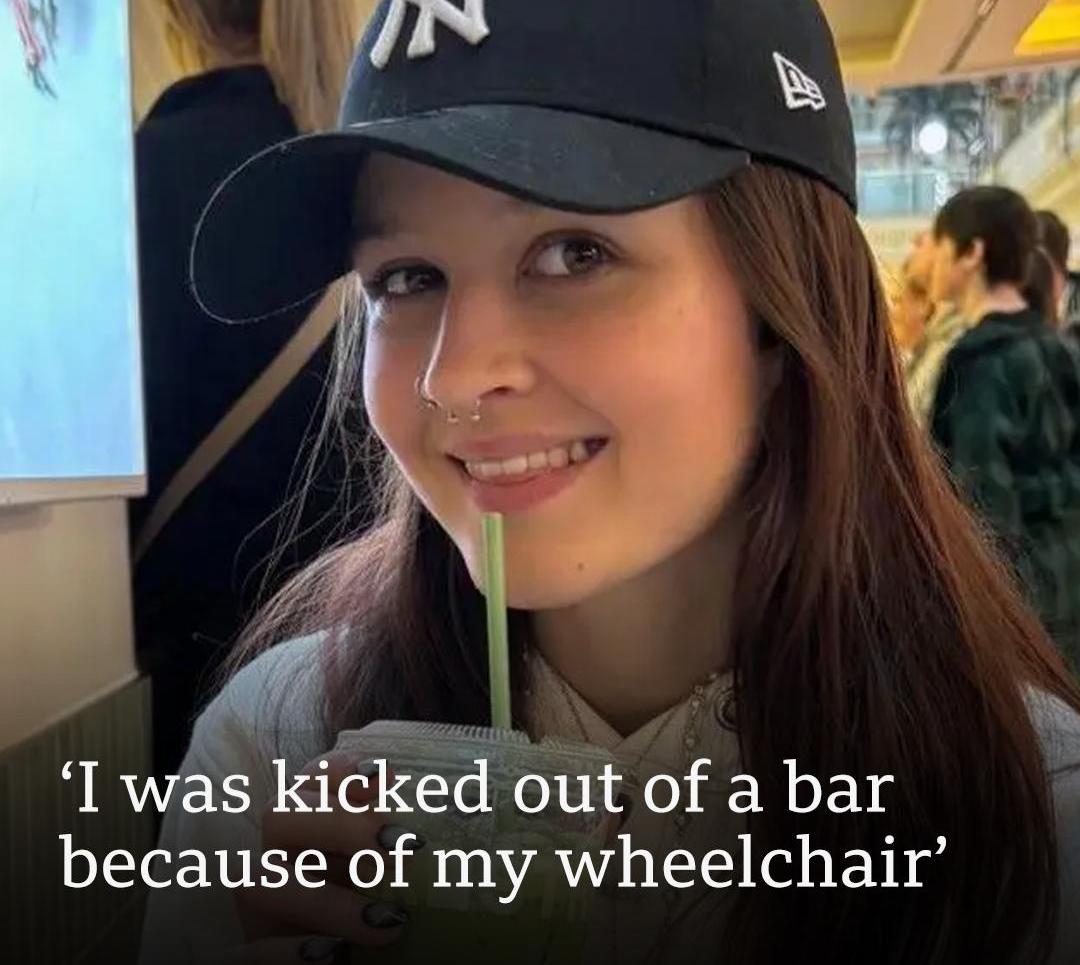
18-year-old wheelchair user escorted out of Manchester nightclub over “fire safety risk” concerns Woman says she was allowed in before being removed minutes later, sparking discrimination and Equality Act debate An 18-year-old woman has accused a Manchester nightclub of discrimination after she was escorted out of the venue because staff allegedly claimed her wheelchair posed a “fire safety risk.” The woman, identified as Maddie Haining, says she was initially allowed into Club Tropicana in Manchester’s Canal Street area with assistance from security staff. However, shortly after entering the club, she was told she could not remain inside and was asked to leave. According to her account, the decision was made by a manager who later described her presence as a “fire risk,” despite no issue being raised at the point of entry. She described the experience as humiliating and discriminatory, stating she was shocked to be removed after already being inside the venue.
The incident has since sparked wider debate online about disability access, nightclub safety obligations, and whether venues are doing enough to comply with accessibility requirements under UK equality law. The nightclub’s operators have said they are investigating the incident internally but declined to make further detailed public comments while the review is ongoing.
The case has raised questions around:
- The meaning of “reasonable adjustments” for disabled access
- Whether venues can refuse entry on fire safety grounds
- How older or multi-storey nightclub buildings handle evacuation plans
- The balance between safety obligations and anti-discrimination law
Under UK equality law, service providers must make reasonable adjustments for disabled people, though what is “reasonable” can depend on the building and safety constraints. Nightlife venues across the UK have long faced criticism for limited wheelchair access, especially older clubs located in basements or upper floors. Disability advocates argue that accessibility is often overlooked in favour of cost and structural convenience, leaving many venues partially or completely inaccessible. At the same time, operators frequently cite fire safety and evacuation challenges in buildings without lifts or step-free access as limitations.
The incident has triggered strong public reaction, with many calling it discriminatory, while others argue clubs must prioritise evacuation safety in emergency situations.
The case is now part of a broader conversation about how nightlife spaces accommodate disabled patrons and whether current enforcement of accessibility rules is sufficient.
- Disability access in UK nightlife venues
- Fire safety vs. equality law in public spaces
- Treatment of wheelchair users in entertainment venues